

01
Business websites
Communicate your services, show credible work and help prospects take the next step.
Build a website your customers can understand and your team can operate.
MTI Tech develops business websites, ecommerce experiences and web applications around the people using them. We plan content, navigation, functionality and integrations together so the finished platform supports a real customer journey—not just an attractive launch.
A brochure website, an online store and an internal application solve different problems. We begin by identifying the users, the actions they need to complete and the information your team needs to maintain. That makes it easier to decide what belongs in the first release and what can wait.
Who arrives, what they already know and what they came to find.
The steps they need to complete—enquire, buy, book or log in.
What your team must keep updated after launch.
Communicate your services, show credible work and help prospects take the next step.
Organize products, categories, purchasing journeys and the operational connections needed to manage orders.
Support a defined workflow, user role or business function that cannot be handled well by a standard page.
Connect a specific offer with an audience, a clear action and a measurable campaign goal.
Review an existing site's structure, templates, functionality and maintenance needs before deciding whether a redesign is necessary.
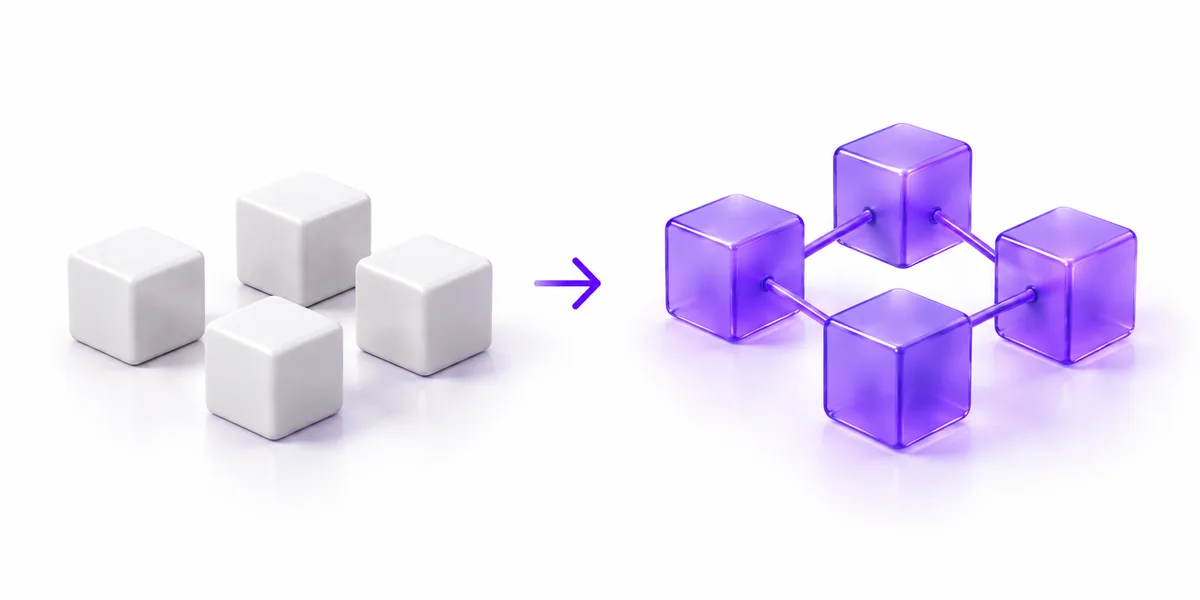
Forms, CRM records, email notifications and operational systems affect the experience behind the page. Third-party availability and account permissions are dependencies, not details to discover on launch day.
1# The scope should state:
2form: contact_enquiry
3destination: crm.lead_record
4
5what_data_moves:  "name, email, service, message"
6when_it_moves:    "on submit"
7what_can_fail:    "CRM unavailable, missing field"
8who_handles_it:   "named owner + alert email"
9
10# Dependencies, not launch-day surprises
11third_party_access: confirmed
12account_permissions: confirmedContent should be readable, navigation understandable and important pages discoverable. For a redesign, identify the existing URLs and valuable pages before changing the structure.
Any redirect plan should be based on the old and new content—not on replacing every URL for cosmetic consistency.
Speed testing should distinguish laboratory checks from real-user data where it is available.
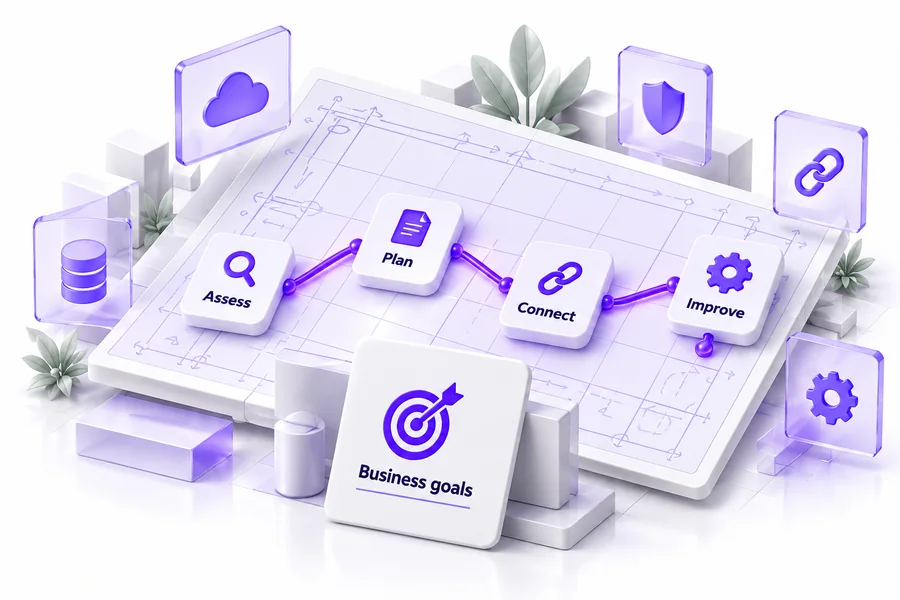
Maintenance, hosting and support should be explicitly scoped.

Start with the problem. A focused improvement may be enough when the existing platform can meet the requirements.
Platform choice should follow content needs, functionality, team skills, integrations and maintenance budget. Avoid choosing a platform solely because it is fashionable.
Existing content and URLs should be reviewed and mapped before changes. No migration can promise unchanged rankings, but an agreed plan can address avoidable risks.
The proposal should assign responsibility for service copy, images, product information and legal material. Unapproved placeholders should not become final production content.
Design complexity, page types, integrations, content migration, user permissions and testing influence scope. A meaningful quote follows the requirements.
Portfolio case study
Portfolio case study
Portfolio case study
Screens are simplified illustrations. See the portfolio for the published projects.
Share your current site, the main action users should take and the problems you need to fix. Explore the Estate Point, RichifyNow and Toolistify case studies for examples of the types of platforms described in our portfolio. Redesigning an existing site? Start with our website redesign SEO checklist, or see what determines website cost.