The Internal Linking Strategy That Boosts Authority Instantly
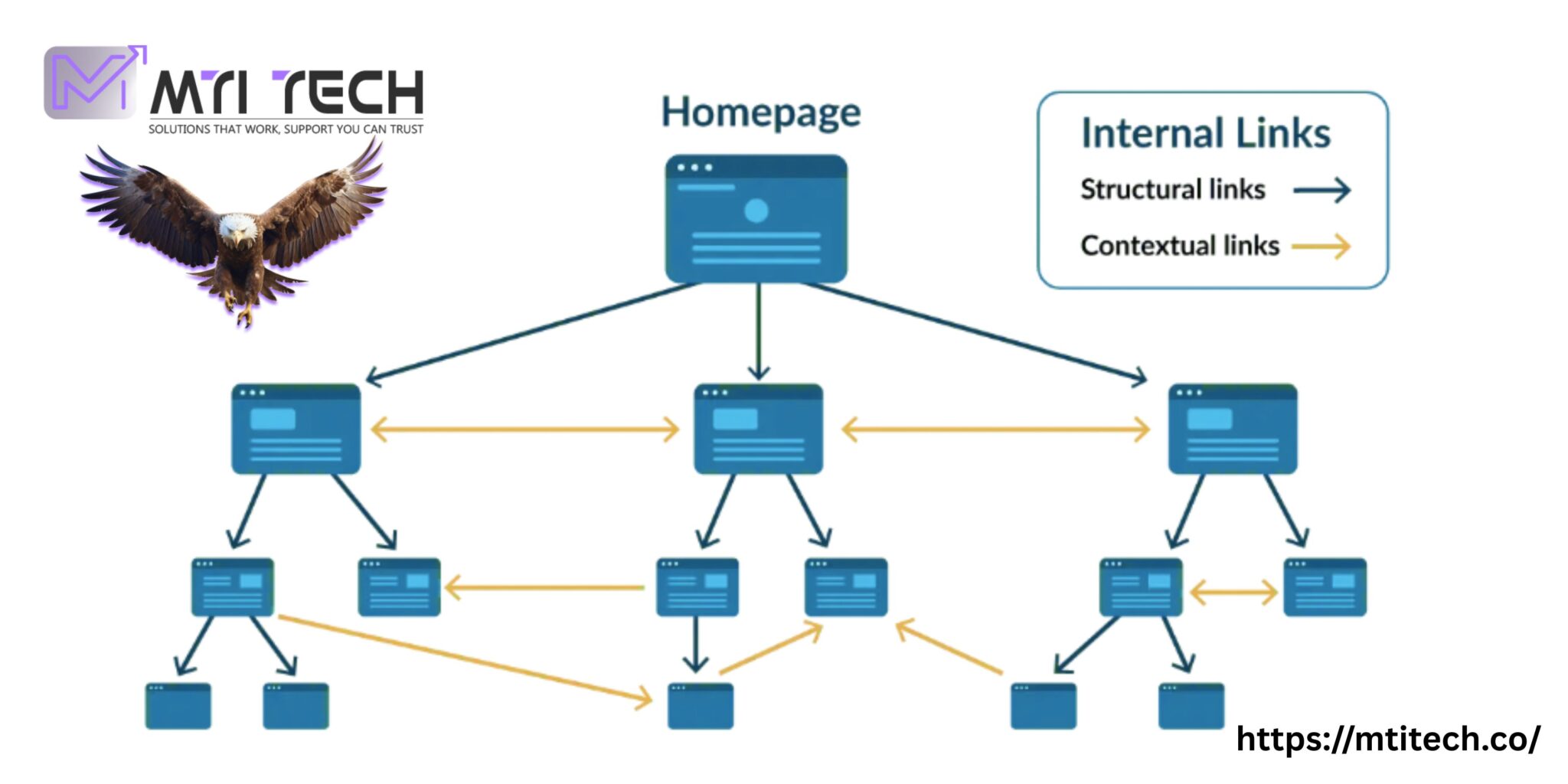
In the world of SEO, most website owners focus heavily on external backlinks, keyword optimization, and content creation while overlooking a hidden powerhouse: internal linking. Yet, internal linking is one of the simplest and most effective strategies to boost your website’s authority, improve rankings, and enhance the overall user experience.Think of your website as a city. Your high-authority pages are the central hubs, while your newer or smaller pages are the neighborhoods. Internal links are the roads connecting these areas, guiding both visitors and search engines efficiently throughout your site. Without well-planned roads, traffic can get lost, and the value of your best pages cannot reach the rest of your site.
When done correctly, internal linking not only helps search engines understand the structure and hierarchy of your website but also spreads “link juice” from authoritative pages to newer content. This means that even newly published posts can gain authority quickly, rather than waiting months to build external backlinks.
In this guide, we’ll explore a strategic approach to internal linking using the topic cluster model, showing how to organize your content and distribute link juice effectively. Whether you’re managing a blog, an e-commerce site, or a service platform, mastering this strategy alongside professional SEO Optimization Services can instantly elevate your website’s authority and search engine performance.
Understanding Internal Linking
Internal linking is simply the practice of linking one page of your website to another page within the same domain. It might sound simple, but its impact on SEO is massive. Every link on your website is like a pathway for both users and search engines.
Here’s why internal linking matters:
Improves Crawlability: Search engines like Google use automated bots called crawlers to explore websites. These crawlers follow links from one page to another to discover new content and understand your website’s structure. If your site isn’t well-linked internally, some pages might remain “orphaned,” meaning crawlers may never find them. By strategically linking pages together, you ensure every important post is discoverable, helping search engines index your content faster and more effectively. This is especially important for new blog posts, as internal links can help them get recognized quickly without relying solely on external backlinks.
Distributes Authority: Not all pages on your website are equal in terms of authority. Some pages like cornerstone content or pages that already rank well carry more “link juice,” which is essentially the SEO value a link can pass. By linking these high-authority pages to newer or lower-ranking content, you help transfer some of that value. This improves the visibility of new pages in search results and gives them a faster boost in authority. For example, if you have a highly ranked post on “SEO Optimization Services,” linking it to a new blog about “internal linking strategies” helps the new post gain credibility in the eyes of search engines.
Enhances User Experience: Internal links are not just for search engines, they’re for your visitors too. A well-linked website allows users to navigate easily between related topics, discover additional helpful content, and spend more time exploring your site. This reduces bounce rates, increases engagement, and encourages users to return. For instance, if someone is reading about link juice, linking them to a cluster page on topic clusters or internal linking tips keeps them engaged and positions your site as a valuable, informative resource.
When combined with SEO Optimization Services, internal linking becomes even more powerful, as professionals can analyze your site to identify the most authoritative pages and create a strategy that maximizes both user experience and SEO performance.
What Is “Link Juice” and Why It Matters
“Link juice” refers to the value or authority passed from one webpage to another through hyperlinks. Not all pages are equal; some pages, like cornerstone articles or popular blog posts, have higher authority. By linking from these pages to newer or less authoritative content, you essentially “share” some of that authority.
Here’s an example: imagine you have a well-ranked blog post about “SEO Optimization Services” on your site. By linking from that post to a new article on “internal linking strategies,” you’re helping the new post gain credibility in the eyes of search engines. This improves its chances of ranking higher without requiring external backlinks immediately.
Effective link juice distribution is at the heart of a solid internal linking strategy and is a service often included in professional SEO Optimization Services packages.
Topic Clusters – Organizing Your Content Strategically
A topic cluster is a group of related content organized around a central pillar page. The pillar page covers the main topic broadly, while cluster pages explore subtopics in more detail. This structure allows you to strategically interlink content, improving both user experience and search engine understanding.
- Pillar Page: A comprehensive article covering a broad topic like “SEO Optimization Services.”
- Cluster Pages: Related articles that dive into specifics, such as “internal linking best practices” or “link juice distribution techniques.”
By linking cluster pages back to the pillar page and to each other, you create a network of content that clearly signals authority and relevance. This structure is highly favored by Google, as it helps the search engine understand the depth and breadth of your expertise.
Step-By-Step Internal Linking Strategy
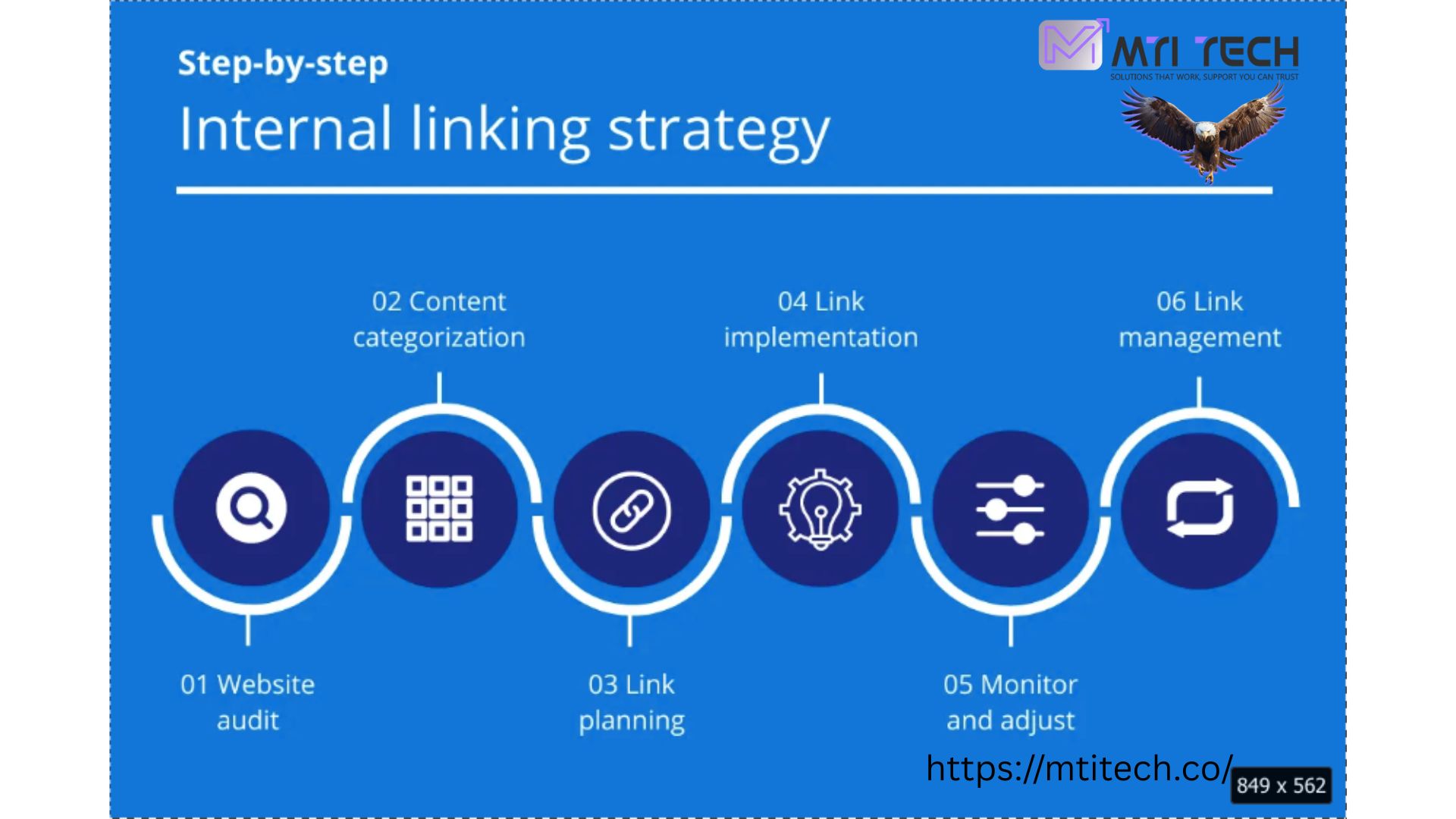
Implementing a strong internal linking strategy requires planning. Here’s a step-by-step guide you can follow:
- Audit Your Existing Content:
Use tools like Ahrefs, SEMrush, or Screaming Frog to identify high-authority pages on your website. These are pages that have earned backlinks, social shares, or high traffic. - Identify Pillar Pages:
Choose pages that target primary keywords, such as “SEO Optimization Services.” These will serve as the central hub for related content. - Create Cluster Pages:
Develop new content focused on subtopics related to your pillar page. Ensure each cluster page links back to the pillar page and, when relevant, to other cluster pages. - Use Descriptive Anchor Text:
Anchor text should describe what the linked page is about. For example, instead of “click here,” use “learn advanced internal linking strategies for SEO Optimization Services.” - Link Strategically:
Avoid excessive linking. Focus on pages where the link provides real value to users and helps search engines understand content relationships. - Update Regularly:
As you create new content, continue linking back to pillar pages and other relevant cluster content to maintain authority flow.
By following this step-by-step strategy, you ensure that every new blog post benefits from the authority of existing content, improving visibility and search engine rankings.
Tools to Help You Build an Internal Linking Strategy
Managing internal links manually can be overwhelming, especially for large websites. Several tools simplify this process:
- Ahrefs: Helps identify high-authority pages and find linking opportunities.
- SEMrush: Offers content audits and internal linking suggestions.
- Screaming Frog: Crawls your website to reveal broken or missing links.
- Yoast SEO (for WordPress): Suggests internal links while writing content.
Professional SEO Optimization Services often use these tools to create and implement an optimized internal linking plan that maximizes authority distribution and improves site performance.
Measuring the Impact of Your Internal Linking
To understand if your internal linking strategy is working, track these metrics:
- Page Authority (PA): Are older pages passing authority to newer ones?
- Organic Traffic: Are linked pages receiving more traffic over time?
- User Engagement: Are visitors spending more time navigating through linked pages?
- Keyword Rankings: Are cluster pages ranking for their targeted keywords, like “SEO Optimization Services”?
Monitoring these metrics allows you to adjust your internal linking strategy, ensuring continuous improvement.
Advanced Tips for Maximizing Authority Flow
For websites looking to maximize internal link benefits, here are advanced tips:Link Deep into Old Content
Don’t limit your internal links to only recent posts. Older, high-authority pages often contain valuable information and can still pass significant link juice to newer content. Linking to these pages not only helps spread authority but also brings attention back to content that may have been overlooked, giving it new life and maintaining its relevance.
Use a Hierarchical Structure
Organize your website logically with main categories, subcategories, and detailed posts. A clear hierarchy helps search engines understand the relationship between pages and determines which content is most important. For example, a pillar page on “SEO Optimization Services” should link to subtopics like “Internal Linking Strategies” or “Keyword Research Tips,” creating a clear path for both users and search engines.
Regularly Update Pillar Pages
Pillar pages should evolve alongside your website. Whenever you publish a new cluster page or blog post, add links from the pillar page to these new resources. This keeps your content network fresh, improves authority distribution, and signals to search engines that your site is active and well-maintained.
Avoid Overstuffing Links
While linking is important, too many links on a single page can confuse users and dilute the value of each link. Focus on quality over quantity by linking only when it adds value to the reader and reinforces the content hierarchy. A clean, strategic approach keeps your website user-friendly and maximizes the SEO benefits of internal linking.
By implementing these advanced techniques, your internal linking strategy will not only help search engines understand your site better but also enhance user experience and increase conversions.
Conclusion
Internal linking is one of the most underutilized yet powerful strategies in SEO. By using the topic cluster model, distributing link juice effectively, and leveraging professional SEO Optimization Services, you can instantly boost your site’s authority, improve rankings, and create a more navigable experience for your visitors.
Start today by auditing your existing content, identifying pillar pages, and mapping out a cluster strategy. With consistent effort, your website will become an authoritative hub in your niche, attracting more traffic and improving overall SEO performance.
Remember, internal linking isn’t just about SEO it’s about guiding your audience to the right content at the right time. And when done right, it’s a strategy that pays dividends for years to come.- Audit Your Existing Content: