Beyond Keywords: Mastering User Intent and Semantic Search
In the fastest growing digital landscape, the rules of search engine optimization (SEO) have shifted dramatically. Gone are the days when success could be achieved simply by stuffing pages with keywords and hoping for the best. Modern search engines, particularly Google, have become far more sophisticated, emphasizing the understanding of user intent and the semantic context behind search queries. For businesses striving to maintain an authoritative online presence, mastering this shift is not optional, it is essential. Leveraging professional SEO Optimization Services that focus on intent and context can dramatically enhance visibility, engagement, and conversions.
The Decline of Keyword-Centric SEO
SEO, in its early form, heavily revolved around keyword optimization. In the early 2000s, businesses discovered that by repetitively inserting high-volume keywords into website content, meta tags, and URLs, they could climb search engine rankings with relative ease. This technique, widely known as keyword stuffing, initially proved effective. Websites employing this strategy often dominated search results, regardless of content quality or user experience.
However, as search engines matured, the limitations of keyword-focused SEO became increasingly evident. Users frequently encountered irrelevant or low-value content that prioritized keyword presence over information quality. Recognizing this, Google introduced algorithm updates such as Hummingbird (2013), BERT (2019), and MUM (2021), which fundamentally changed how content relevance was evaluated. These updates empowered search engines to understand context, intent, and semantic relationships, rather than relying solely on exact keyword matches.
Consider two examples: A page repeatedly using the phrase “SEO Optimization Services” without explaining its benefits or features might rank poorly today, whereas a page discussing how businesses can improve their search engine visibility through SEO Optimization Services, including strategies, case studies, and actionable tips, is far more likely to satisfy user intent and perform better in search results.
Understanding User Intent
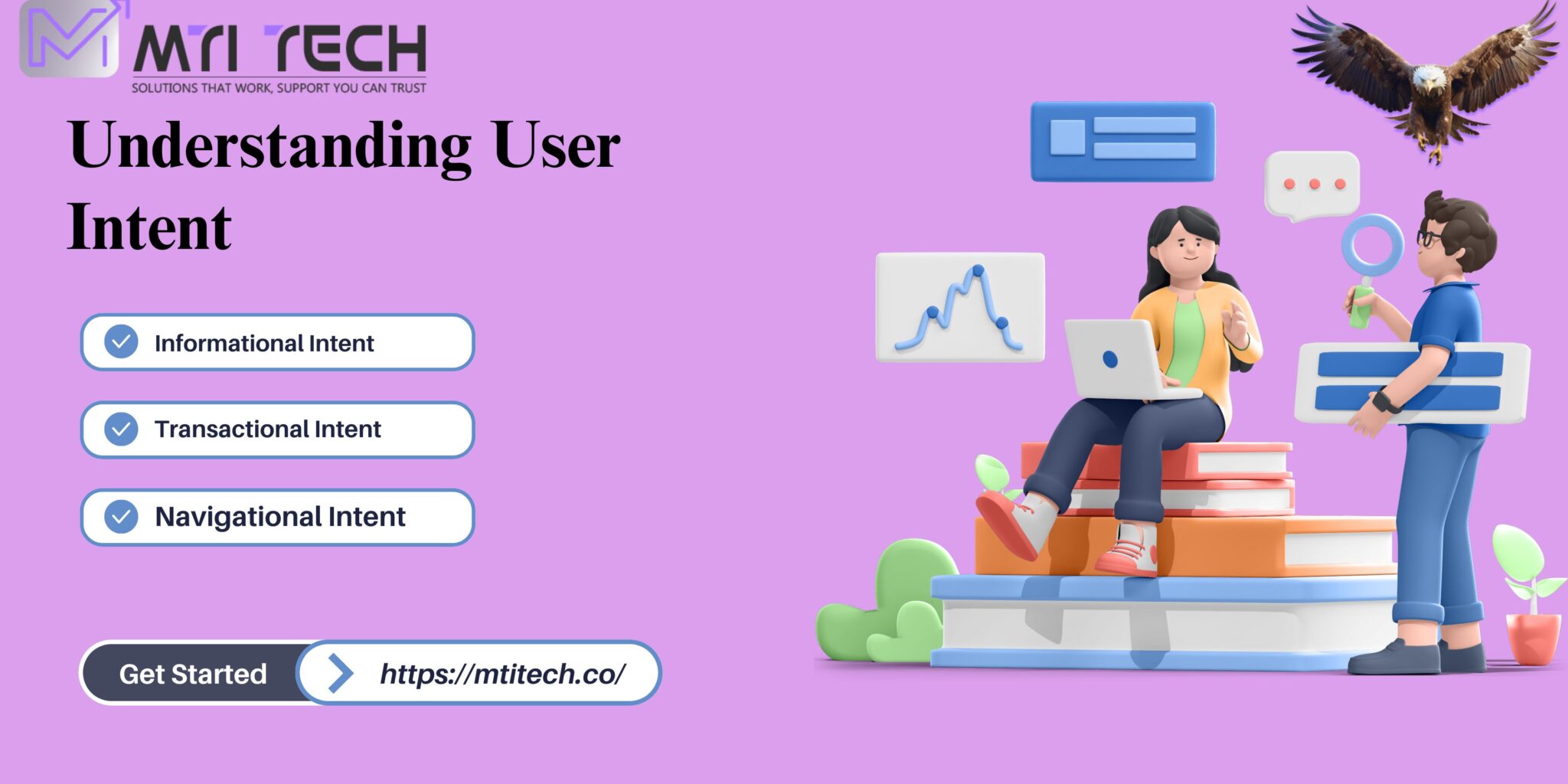
At the core of modern SEO lies user intent, the basic reason a person performs a search. Understanding this intent allows content creators to design material that addresses specific needs, thereby improving engagement and conversion rates. Broadly, user intent can be categorized into three main types:
- Informational Intent: The user seeks knowledge or insights. For instance, queries like “how to improve website SEO” or “what are semantic keywords” indicate a desire to learn. Informational content such as tutorials, blog posts, and comprehensive guides satisfies this intent effectively.
- Transactional Intent: The user is ready to take action, such as purchasing a service or signing up for a subscription. Queries like “best SEO Optimization Services for small businesses” fall into this category. Optimizing content for transactional intent involves clear calls to action, detailed product or service descriptions, and persuasive messaging.
- Navigational Intent: The user aims to reach a specific website or page. For example, searching “MTI Tech SEO Optimization Services” demonstrates a preference for a particular provider. Content designed for navigational intent should ensure accurate branding and clear navigation paths.
By carefully analyzing and aligning content with the searcher’s intent, businesses can not only increase their likelihood of ranking but also deliver meaningful value, enhancing user satisfaction and loyalty.
Semantic Search: The Future of SEO
Semantic search is the ability of search engines to interpret the meaning behind queries, rather than simply matching individual words. This approach allows engines like Google to consider context, synonyms, and related concepts, delivering results that truly align with the searcher’s goal.
Natural Language Processing (NLP) technologies underpin semantic search. They enable algorithms to recognize entities, relationships, and user expectations within a query. For example, a search for “how to find the best SEO Optimization Services” implies a transactional intent with a focus on quality and comparison, while “tips for improving website search ranking” reflects informational intent. Semantic search interprets these nuances, ensuring users receive the most relevant results.
For businesses, understanding semantic search is critical. It encourages content creators to move beyond exact keyword matching and focus on contextually rich writing, covering related topics, answering potential follow-up questions, and addressing the broader needs of the audience.
Writing for User Intent
Effective SEO today requires writing that aligns with user intent while maintaining semantic relevance. Here are strategies tailored to different types of intent:
Informational Content:
Informational content is designed to educate and provide value to the reader. Unlike transactional content, which encourages a purchase or action, informational content focuses on answering questions, solving problems, or offering insights. The key to successful informational content is depth, clarity, and relevance.
Comprehensive Guides, Tutorials, and Case Studies
- Comprehensive guides break down complex topics into easily digestible sections. For example, a guide on “How to Improve Your Website’s SEO” could include sections on keyword research, on-page optimization, technical SEO, and content strategy.
- Tutorials offer step-by-step instructions that help readers apply knowledge practically. For instance, “A Step-by-Step Tutorial on Conducting SEO Audits” provides actionable steps that users can follow.
- Case studies demonstrate real-world applications and results. Showing how a business improved its search rankings through a specific strategy builds trust and credibility. For example, a case study detailing how a company used SEO Optimization Services to increase organic traffic by 50% illustrates practical benefits.
Incorporating Examples, Statistics, and Actionable Insights
- Examples make abstract concepts relatable. For instance, illustrating the difference between informational and transactional intent with real search queries helps readers understand the theory.
- Statistics provide evidence and authority. Citing studies, such as “Companies that focus on intent-driven content see 30% higher engagement rates,” reinforces credibility.
- Actionable insights ensure that readers can immediately apply what they learn. This might include tips, tools, or strategies they can implement themselves, making the content highly valuable.
Using Semantic Keywords Naturally
- Semantic keywords are words and phrases related to the main topic that enhance the content’s relevance and context. For example, while your main focus may be SEO Optimization Services, related terms like “website ranking improvements,” “search engine optimization strategies,” “on-page optimization techniques,” and “content marketing for SEO” help search engines understand the full context of the content.
- These keywords should flow naturally within the text rather than being forced. This not only improves SEO performance but also maintains readability, keeping the content user-friendly and authoritative.
Transactional Content
Transactional content is designed to convert visitors into customers or leads. Unlike informational content, which primarily educates, transactional content focuses on motivating the reader to take a specific action such as purchasing a product, signing up for a service, or requesting a consultation. Effective transactional content combines clarity, persuasion, and credibility.
Detailed Descriptions with Unique Value Propositions
- When presenting a product or service, it is crucial to clearly describe what it does, how it works, and why it is different from competitors. For example, a page promoting SEO Optimization Services should explain the range of services offered, such as keyword strategy, content optimization, technical SEO audits, and performance tracking.
- Emphasizing unique value propositions (UVPs) helps your business stand out. Instead of generic statements like “We offer SEO services,” highlight what makes your approach superior, such as “Our SEO Optimization Services combine AI-driven analysis with tailored content strategies to maximize ROI for small and medium-sized businesses.” UVPs answer the reader’s question: “Why should I choose you over others?”
Persuasive Language and Strong Calls to Action (CTAs)
- Persuasive language motivates users to act by addressing their needs, fears, or desires. Words and phrases such as “maximize your results,” “achieve higher rankings,” or “transform your online presence” resonate with potential clients.
- Strong CTAs guide the user clearly toward the next step. Examples include:
- “Request Your Free SEO Audit Today”
- “Book a Consultation to Improve Your Website Rankings”
- “Start Boosting Your Organic Traffic with Our SEO Optimization Services”
- Placement of CTAs matters. They should appear naturally in the content, such as after presenting benefits, results, or testimonials, so the user feels confident and motivated to act.
Highlighting Results, Testimonials, and Case Studies
- Transactional content gains credibility when it demonstrates real-world results. Sharing statistics, success stories, or case studies helps potential customers trust your offerings. For instance: “By implementing our SEO Optimization Services, Company X saw a 45% increase in organic traffic and a 30% boost in lead generation within three months.”
- Testimonials add social proof and humanize your services. Genuine reviews from satisfied clients reassure prospects that your services deliver on promises.
- Case studies can go even deeper, showcasing the challenges faced, solutions provided, and measurable outcomes. This not only informs the reader but also subtly demonstrates the value of your services in a narrative form.
Combining Elements for Maximum Effect
- Effective transactional content balances detailed descriptions, persuasive language, and proof of results. It anticipates objections and answers questions before the user has to ask them.
- For example, a service page for SEO Optimization Services could follow this structure:
- Describe the services offered and their benefits.
- Highlight what makes your services unique (UVPs).
- Show measurable results or case studies.
- Include a persuasive CTA that invites immediate action.
General Tips for Intent-Focused Writing
- Avoid keyword overuse; prioritize natural, readable content.
- Break content into headings, subheadings, and bullet points for clarity.
- Address likely follow-up questions, which enhances semantic richness and positions your content as comprehensive.
By strategically combining intent-based content and semantic relevance, businesses can appeal to both search engines and human readers, achieving higher engagement, lower bounce rates, and better conversion metrics.

Technical and On-Page Considerations
Even the most thoughtfully written content requires proper technical and on-page optimization. Key considerations include:
- Headings and Meta Tags: Structured headings (H1, H2, H3) guide both users and search engines through the content. Meta descriptions should summarize content accurately while incorporating relevant semantic keywords.
- Internal Linking: Linking related pages helps search engines understand the relationship between content and improves user navigation.
- Structured Data: Implementing schema markup allows search engines to better interpret content, improving the chances of appearing in rich snippets or knowledge panels.
These technical measures complement intent-driven content and strengthen the overall SEO strategy.
Integrating SEO Optimization Services
For many businesses, executing intent-focused, semantically rich SEO strategies requires expertise. This is where professional SEO Optimization Services become invaluable.
Expert services can:
- Conduct thorough user intent analysis to identify what your target audience is searching for.
- Develop content strategies that balance informational and transactional needs.
- Optimize existing content to improve semantic relevance and alignment with search intent.
- Monitor algorithm changes and adapt strategies proactively, ensuring long-term performance.
Businesses that leverage professional SEO Optimization Services often achieve higher rankings, improved traffic quality, and better conversion rates compared to those relying solely on internal teams or outdated keyword-centric tactics.
Measuring Success in Intent-Based SEO
Traditional metrics like keyword rankings remain useful, but modern SEO success demands a broader evaluation. Key performance indicators include:
- Engagement Metrics: Time on page, scroll depth, and repeat visits indicate that content aligns with user intent.
- Conversion Metrics: For transactional content, monitor form submissions, purchases, and service inquiries.
- Organic Traffic Quality: Assess whether users find the content relevant and take meaningful actions.
- Content Coverage and Relevance: Use tools to evaluate semantic richness and topical authority.
Continuous measurement and optimization are essential. By analyzing these metrics, businesses can refine content strategies, ensuring alignment with both user intent and semantic search requirements.
Conclusion
The landscape of SEO has transformed from simple keyword optimization to a sophisticated system focused on user intent and semantic understanding. Businesses that recognize this shift and adapt by producing contextually rich, intent-aligned content position themselves for sustained online success.
Investing in professional SEO Optimization Services can accelerate this transition, providing expertise, resources, and strategic insights to maximize visibility and engagement. Ultimately, the brands that master user intent and semantic search will not only rank higher but also foster deeper connections with their audience, driving meaningful results in the digital age.