SEO vs. PPC: The Definitive Guide on Where to Spend Your First $5,000
If you’re about to invest your first $5,000 in digital marketing, you’re facing one of the most important decisions a business can make early on:
Should you invest in SEO or PPC?
This question isn’t just about traffic. It’s about cash flow, timelines, competitive pressure, and long-term growth. Make the right decision, and your marketing investment compounds. Make the wrong one, and that $5,000 disappears with little to show for it.
Most agencies dodge the hard answer by saying, “You need both SEO and PPC.” While that’s technically true at scale, it’s terrible advice for a business with a limited budget.
This guide takes a different approach.
Instead of sitting on the fence, we’ll give you a clear, data-backed framework to decide exactly where your first $5,000 should go, based on:
- Budget realities
- Time to results
- Industry competition
- Business model
- Risk tolerance
If you offer or rely on Digital Marketing Services, or you’re investing in them for the first time, this guide will help you spend smarter, not louder.
Understanding the Core Difference: SEO vs. PPC
Before we compare them, let’s get one thing straight.
SEO and PPC are not rivals, they’re different tools built for different goals.
What SEO Really Is
Search Engine Optimization (SEO) is the process of improving your website so it ranks organically on search engines like Google.
This includes:
- Technical optimization (site speed, structure, indexing)
- Content creation (blogs, service pages, guides)
- Authority building (backlinks, mentions, trust signals)
- User experience optimization
SEO is an asset-building strategy. Each improvement adds long-term value to your site.
What PPC Really Is
Pay-Per-Click (PPC) advertising allows you to pay for immediate visibility, usually through Google Ads or social platforms.
You:
- Bid on keywords or audiences
- Pay when someone clicks
- Get instant traffic and measurable results
PPC is a demand-renting strategy. The moment you stop paying, traffic stops.
Neither is “better” universally. The right choice depends on context.
The $5,000 Reality Check: Why This Decision Matters
$5,000 is a meaningful but limited budget.
You cannot:
- Dominate competitive keywords overnight with SEO
- Run PPC endlessly without optimization
- Afford long experimentation cycles
This means focus is mandatory.
Splitting $2,500 into SEO and $2,500 into PPC often results in:
- No SEO traction
- Weak PPC data
- No clear ROI
Your first $5,000 needs direction, not diversification.
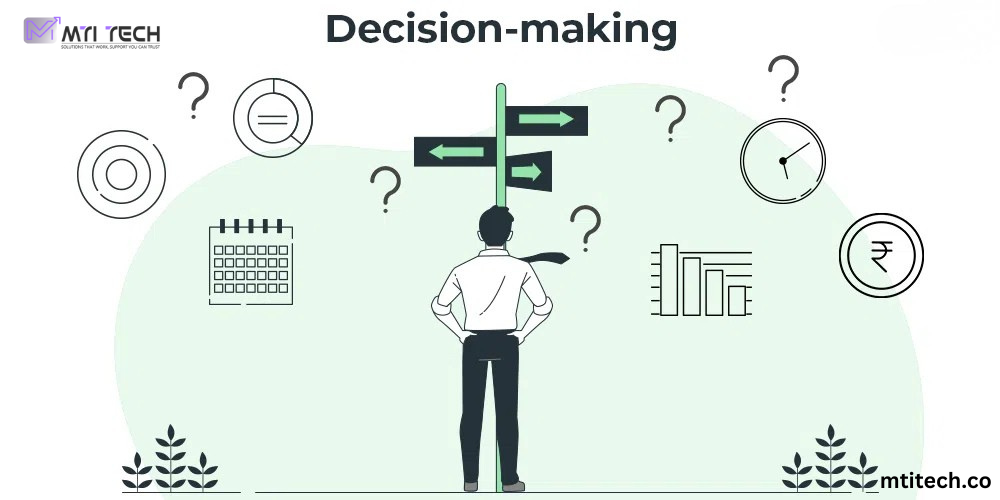
The Three Axes of Decision-Making
To decide between SEO and PPC, evaluate your situation across three critical dimensions:
- Timeline – How fast do you need results?
- Competition – How crowded is your market?
- Business Economics – What does one customer mean to you?
Let’s break each one down.
1. Timeline: How Quickly Do You Need Leads?
Choose PPC If Speed Is Non-Negotiable
If your business:
- Is new or recently launched
- Needs leads this month, not next quarter
- Has fixed monthly expenses that require immediate revenue
Then PPC is the more logical choice.
With well-managed PPC campaigns:
- Traffic starts within days
- Lead quality is measurable immediately
- You can pause or pivot quickly
This makes PPC ideal for:
- New service-based businesses
- Seasonal offers
- Product launches
- High-ticket services with urgency
For many Digital Marketing Services providers, PPC is often the fastest way to validate messaging and offers.
Choose SEO If You Can Wait for Compounding Returns
SEO is not slow, it’s delayed gratification.
If:
- You can wait 3–6 months for traction
- You’re building a brand, not just chasing leads
- You want lower cost-per-lead over time
SEO becomes incredibly powerful.
SEO works best when:
- You plan to be in the market long-term
- You want predictable inbound demand
- You’re tired of rising ad costs
If time is on your side, SEO rewards patience exponentially.
2. Competition: How Crowded Is Your Industry?
Highly Competitive Markets Favor SEO (Long-Term)
In industries where:
- CPCs are extremely high
- Big players dominate paid ads
- Everyone is bidding on the same keywords
PPC becomes expensive very quickly.
Examples:
- Legal services
- Finance
- Real estate
- Enterprise Digital Marketing Services
In these cases, SEO allows you to:
- Target long-tail keywords
- Build topical authority
- Win visibility without paying per click
SEO lets smaller players compete strategically, not financially.
Niche or Local Markets Favor PPC (Short-Term)
If your market is:
- Local
- Niche-specific
- Low to medium competition
PPC can be extremely effective.
You can:
- Own high-intent keywords affordably
- Target specific geographies
- Control spend tightly
For local service providers, PPC often outperforms SEO in the early stages.
3. Business Economics: Know Your Numbers
This is where most businesses fail.
Before choosing SEO or PPC, you must know:
- Customer lifetime value (LTV)
- Profit margin
Conversion rate
- SEO for authority
- PPC for specific high-intent offers
- Technical SEO foundation
- 4–6 high-quality pillar pages
- Supporting blog content
- Internal linking and UX
- 70% ad spend
- 30% landing pages, tracking, optimization
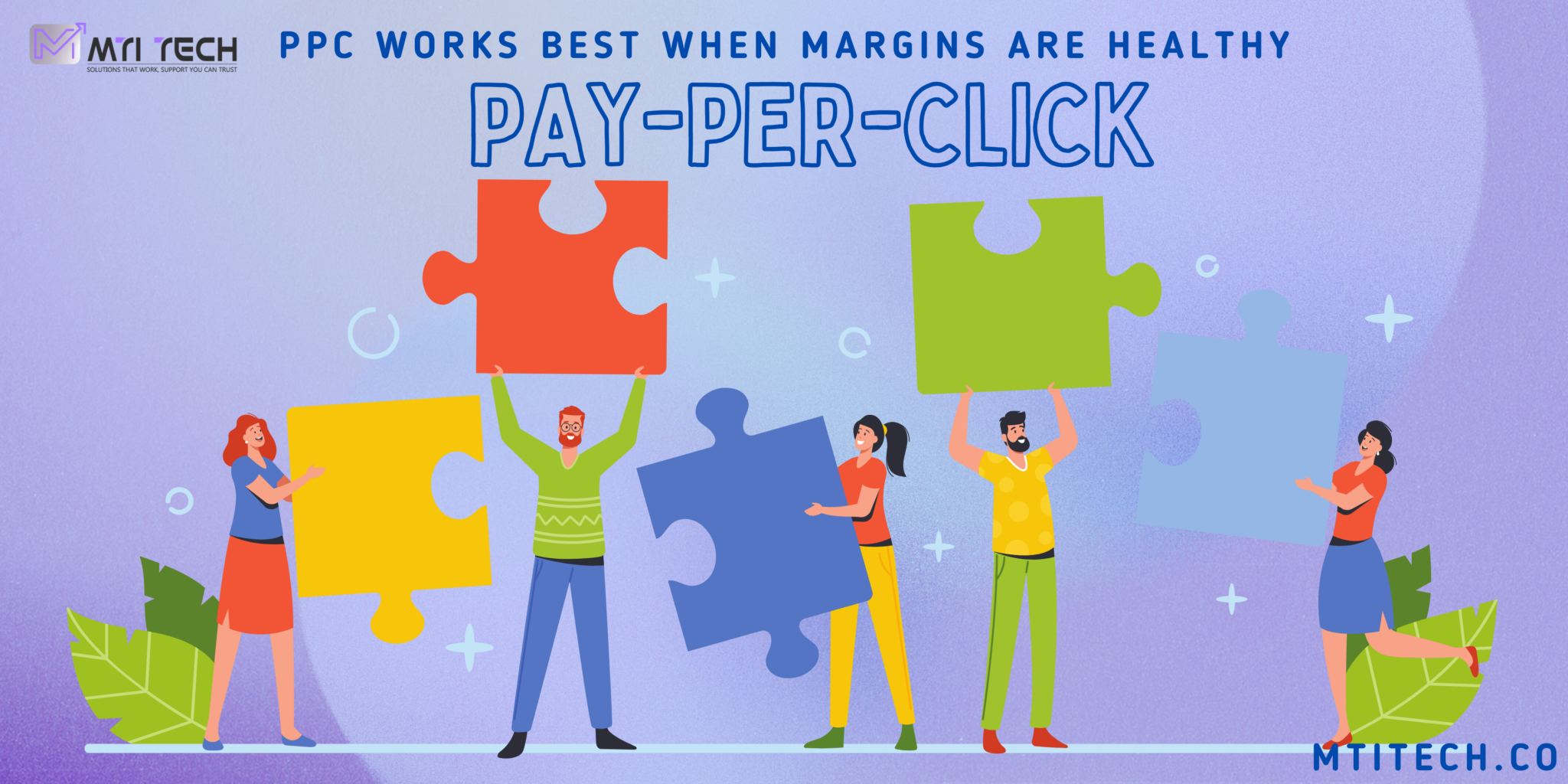
PPC Works Best When Margins Are Healthy
If one customer is worth:
- $2,000+
- Repeat purchases
- Long-term contracts
Then PPC makes sense even with higher CPCs.
PPC is ideal when:
- You can afford testing
- You understand your funnel
- You can optimize for ROI, not clicks
Many companies offering Digital Marketing Services succeed with PPC because one converted client offsets dozens of clicks.
SEO Is Better for Lower Margins and Scale
If:
- Margins are thin
- Volume matters more than individual sales
- You want consistent inbound traffic
SEO delivers cheaper leads over time.
Once content ranks, the cost per lead drops dramatically, sometimes close to zero.
The $5,000 Allocation Framework (Hard Rules)
Here’s the definitive decision framework, no ambiguity.Spend Your First $5,000 on PPC If:
✔ You need immediate leads
✔ You have a validated offer
✔ You understand your audience
✔ You can track conversions accurately
✔ You’re willing to optimize weeklyRecommended Split:
- $2,000+
Spend Your First $5,000 on SEO If:
✔ You’re building long-term demand
✔ You want brand authority
✔ You can wait for results
✔ Your industry has high CPCs
✔ You plan to scale contentRecommended Focus:
- 70% ad spend
Why “Doing Both” Often Fails Early
The biggest mistake businesses make is trying to do everything at once.
With $5,000:
- PPC needs data density
- SEO needs content depth
Splitting the budget leads to:
- Underfunded campaigns
- No clear insights
- Frustration and false conclusions
Commit to one channel first, master it, then expand.
The Smart Hybrid (After the First $5,000)
Once your initial $5,000 has been invested and one channel starts delivering consistent results, the smartest move isn’t doubling down blindly, it’s integration.
This is where SEO and PPC stop being separate tactics and start working as a unified growth engine.
Turn PPC Data into SEO Intelligence
PPC campaigns generate fast, reliable data that SEO normally takes months to reveal.
You can use PPC to:
- Identify high-converting keywords before committing to long-term content
- Understand which ad copy and messaging resonates most with users
- Measure real user intent, not just search volume
Instead of guessing what content to create, you let paid data guide your SEO roadmap, saving time, money, and effort.
Use SEO Content to Strengthen PPC Performance
Strong SEO content doesn’t just rank, it lowers your advertising costs.
Well-optimized pages:
- Improve Quality Scores in Google Ads
- Increase landing page relevance
- Boost engagement and reduce bounce rates
Higher Quality Scores mean lower cost-per-click and better ad positions, allowing your PPC budget to stretch further without increasing spend.
Retarget Organic Visitors with Precision
Organic traffic often includes users who are interested but not ready to convert immediately.
Retargeting allows you to:
- Stay top-of-mind during the decision phase
- Reinforce trust through repeated exposure
- Guide users back with tailored offers or content
By combining SEO-driven traffic with paid retargeting, you capture demand that would otherwise slip away.
Build a Feedback Loop, Not Separate Campaigns
The real advantage of a hybrid strategy is the feedback loop:
- PPC reveals what converts
- SEO scales what works
- Retargeting closes the gap
Each channel improves the other, creating momentum that’s difficult for competitors to replicate.
Why the Hybrid Approach Works Best at Scale
At this stage, your focus shifts from survival to efficiency.
Instead of asking, “Which channel should we choose?”
You start asking, “How do we make every channel smarter?”This is where experienced Digital Marketing Services deliver the highest ROI, by connecting insights across channels and turning data into sustained growth.
Industry-Based Recommendations
SaaS & Tech
- Start with PPC for validation
- Move to SEO for scale
Local Services
- PPC for immediate calls
- SEO for map pack dominance
E-commerce
- PPC for products with proven demand
- SEO for category and informational content
Agencies & Consultants
- SEO for authority
- PPC for specific high-intent offers
- Technical SEO foundation
Common Myths That Cost Businesses Money
Myth 1: SEO is free
Reality: SEO requires investment, just not per click.Myth 2: PPC always converts better
Reality: Poor landing pages kill PPC ROI.Myth 3: Ranking means instant leads
Reality: Intent matters more than position.Final Verdict: Where Should You Spend Your First $5,000?
If you need speed, validation, and immediate cash flow, start with PPC.
If you want authority, sustainability, and compounding growth, invest in SEO.
The wrong question is “Which is better?”
The right question is:
“What does my business need most right now?”When executed correctly, both channels, guided by expert Digital Marketing Services, can deliver exceptional ROI. But the first move must be intentional.
Spend with strategy, not fear.
- SEO for authority