The “2-Hour Drain”: What Your Highest-Paid Employees Are Actually Doing Every Afternoon
Introduction: The Most Expensive Hours in Your Business May Be Disappearing Quietly — somewhere between lunch and closing, skilled employees drift from strategy to repetitive admin work. CRM updates, logistics tracking, spreadsheet fixes, chasing confirmations. This is the “2-hour drain.”
The Afternoon Admin Trap
In the morning, employees begin with strategy, calls, planning. But by midday, small tasks pile up: CRM record updates, shipment checks, sales notes, purchase order matching, report formatting. None of these is useless — the problem is that senior employees are paying premium rates for basic operational maintenance. When a senior employee loses two hours each afternoon to routine tracking, the company isn't just losing time. It's paying executive rates for entry-level work.
The Difference Between Necessary Work and Valuable Work
Many tasks are necessary but not strategic. CRM maintenance, logistics follow-ups, data cleanup, document checking — they matter, but they don’t require senior-level attention. A task can be important and still be the wrong use of someone’s time. Necessary work keeps the machine moving. Valuable work improves the machine. The goal of better BPO operations is to move admin to the right execution level so high-value employees can return to high-value work.
The Real Cost of Two Hours a Day
Two hours/day = 10 hours/week → 500 hours/year per employee. Multiply by 5 employees: 2,500 hours. 10 employees: 5,000 hours lost annually to low-value admin. That's not just hours — it's salaries, delayed decisions, slower follow-ups, reduced strategic output. When high-value employees spend afternoons on repetitive tracking, their best mental energy is consumed by low-complexity tasks. That's why the “2-hour drain” is dangerous: it reduces the quality of the remaining time.
500 hrs/yr
lost per senior employee
2,500 hrs
for a team of five
5,000 hrs
for ten employees
Why CRM Work Becomes a Productivity Sink
CRMs are designed to improve forecasting, but often become a second job: deal stages, call notes, duplicate cleaning, pipeline reporting. The company wants better data → employees spend more time updating → delayed updates make CRM unreliable → managers request more manual cleanup. A trained BPO team can handle CRM hygiene, update routine fields, verify records, prepare reports, and keep data organized — so internal teams can use the CRM instead of constantly feeding it.
Logistics Tracking: The Silent Time Thief
A shipment check takes minutes; but dozens of them create constant interruption. Operations leaders should focus on vendor performance and process improvement, not “Has this order shipped?” When routine tracking is delegated through structured BPO support, internal leaders can focus on root causes instead of daily status chasing.
- Which vendor causes repeated delays?
- Where are we losing money in fulfillment?
- How can we reduce manual handoffs?
The Hidden Impact on Customer Experience
Customers care about clear updates, fast responses, reliable delivery. When CRM and logistics tracking are inconsistent, follow-ups are missed, status updates arrive late, and trust erodes. Strong BPO operations support prevents this by keeping routine data current and accessible. Better back-office support creates better front-office experience.
Why High-Paid Employees Keep Doing Low-Value Work
It's usually habit, not poor leadership. Temporary fixes become permanent responsibilities. Also, trust concerns: owners worry about quality or data handling. But refusing to delegate creates a bigger risk — expensive employees trapped in low-value work. Structured BPO operations support (with clear processes & quality checks) builds capacity around the business so internal teams focus on growth.
The Afternoon Drain and Employee Burnout
Tedious admin reduces morale. High-performers want meaningful work — when days become dominated by repetitive updates, frustration grows. Burnout often stems from constant interruptions and the feeling that important work is always delayed. BPO support removes repetitive pressure; when people have more time for meaningful work, engagement and retention rise.
How BPO Operations Support Solves the “2-Hour Drain”
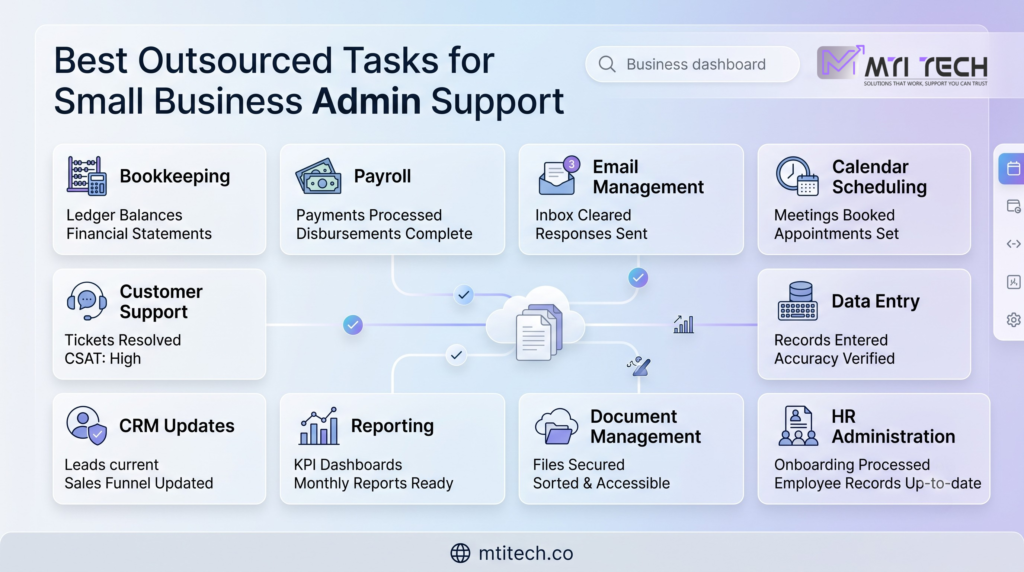
BPO is not just cost savings — it's role alignment. High-value employees focus on high-value work; routine tasks go to trained support teams. For CRM & logistics, BPO can help with: data entry, lead updates, pipeline reporting, order tracking, shipment monitoring, exception flagging, spreadsheet maintenance, daily dashboards, ticket tagging, and document filing. The value: the right people are freed to do the work only they can do.
What a Better Afternoon Should Look Like
Instead of sales managers cleaning CRM data for 2 hours, support teams update records & prepare pipeline summaries. Instead of operations leads manually checking courier portals, support teams update tracking and escalate only exceptions. Now senior employees can coach reps, solve bottlenecks, improve vendor performance, and make faster decisions. Admin work no longer controls the day.
Process Documentation & True Control
Delegation fails when processes exist only in someone's head. Document workflows for CRM and logistics: what to update, frequency, escalation rules. Good BPO support creates more control, not less — tasks are tracked, measured, reviewed. With Mtitech LLC, BPO becomes a strategic layer: defined responsibilities, turnaround metrics, and clean reporting.
The Metrics That Reveal the Drain & ROI of Recovery
Ask: How many hours per week do managers spend on CRM updates? How often do salespeople manually fix data? A time audit often reveals hundreds of hours per year on delegable tasks. Recovering two hours/day lets salespeople make more calls, operations leads fix delays, and executives focus on strategy. Cleaner data → better forecasting; faster logistics → customer trust; less admin → higher morale.
What Mtitech LLC Can Support
For businesses struggling with daily CRM and logistics tracking work, Mtitech LLC’s BPO/Operations support reduces internal workload and improves process consistency. Support includes CRM data management, lead updates, pipeline cleanup, logistics tracking, order status updates, shipment monitoring, reporting assistance, back-office coordination, and routine operational follow-ups. The purpose: protect the time of your highest-paid employees. Instead of senior staff doing repetitive updates, we build operational support systems that run in the background — so internal teams focus on customers, sales, strategy, and growth.
Strong BPO doesn’t replace your team — it strengthens your team.
How to Start Reducing the 2-Hour Drain
Begin with the most repetitive measurable task: CRM cleanup, shipment tracking, or order updates. Document current workflow, transfer routine data movement to BPO support, and measure hours saved. Low-risk start, then expand.
Common Signs Your Business Needs BPO Ops Support:
Conclusion: Stop Paying Premium Salaries for Routine Tracking
The “2-hour drain” is one of the most common hidden costs in modern business. It hides inside afternoons filled with CRM updates, logistics tracking, spreadsheet maintenance, and status checks. These tasks matter — but they shouldn’t consume the best hours of highest-paid employees. With structured BPO/Operations support from Mtitech LLC, companies reduce manual workload, improve data accuracy, keep logistics organized, and help internal teams return to strategic work.
Your best employees should not spend every afternoon maintaining the system. They should be improving it. If your company is ready to recover lost hours, reduce operational drag, and protect high-value employee time, Mtitech LLC can help build the BPO operations support your team needs to work smarter every day.