Preparing for SGE: How to Optimize Your Site for AI Search
Search is evolving faster than ever before. Traditional blue links are no longer the sole gatekeepers of visibility. With Google’s Search Generative Experience (SGE), the way users discover information is shifting toward AI-generated summaries, conversational answers, and predictive insights delivered directly on the search results page.
For businesses, marketers, and brands relying on organic traffic, this change represents both a challenge and an opportunity. Those who adapt early will dominate visibility, while those clinging to outdated SEO tactics risk becoming invisible.
This guide explains what SGE is, how AI search works, and most importantly, how to optimize your website using structured data and modern SEO Optimization Services so AI bots can easily read, understand, and summarize your content.
What Is Google’s Search Generative Experience (SGE)?
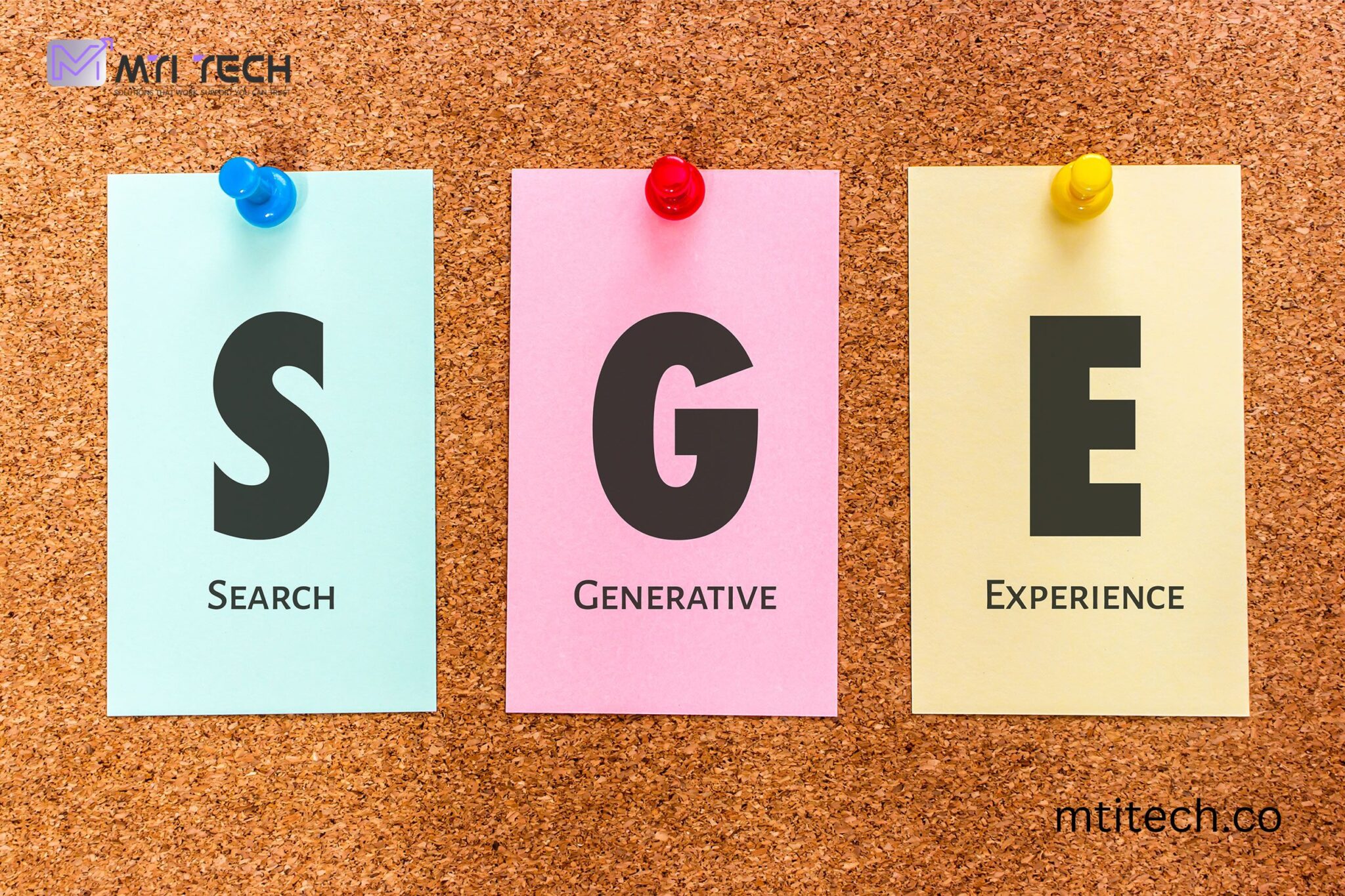
Google’s Search Generative Experience is an AI-powered enhancement to traditional search results. Instead of showing only a list of links, SGE generates contextual summaries at the top of the results page, pulling information from multiple trusted sources.
- Answer user queries faster
Instead of making users click through multiple pages to find information, AI-generated summaries provide a concise, ready-to-digest answer directly on the search results page. This speeds up the user journey and improves satisfaction, as people get the information they need almost instantly. - Reduce the need for multiple clicks
Traditionally, users would scroll through several search results to piece together an answer. AI snapshots condense content from multiple sources, often giving a complete response in one place. This means fewer clicks and less time spent searching, which can also affect how traffic flows to websites. - Provide deeper context in conversational form
Unlike standard search snippets, AI can summarize, compare, and explain concepts in a way that feels natural and human-like. This conversational style helps users understand the full picture, explore nuances, and make informed decisions without leaving the search page. For businesses, it’s an opportunity to position content as a trusted, authoritative source in the AI-driven ecosystem.
SGE relies heavily on machine learning, natural language processing (NLP), and structured data to understand content at a deeper level. This means ranking is no longer just about keywords, it’s about clarity, context, and credibility.
Why SGE Changes the Rules of SEO
Traditional SEO focused on ranking pages. SGE focuses on understanding entities and relationships.
Here’s what’s changing:
- AI summarizes content instead of simply ranking it
- Authority matters more than exact-match keywords
- Structured data becomes critical for visibility
- Pages that are easy for AI to interpret win placement
If your content isn’t structured clearly, AI may ignore it entirely, even if it ranks well today.
This is where professional SEO Optimization Services play a key role, helping businesses align with how AI systems consume information.
How AI Search Bots Read and Understand Content
AI bots don’t “read” content like humans. They analyze structure, signals, and patterns.
Key elements AI looks for:
- Clear headings and logical hierarchy
- Defined entities (people, brands, locations)
- Structured data (Schema Markup)
- Concise answers to specific questions
- Trust signals (E-E-A-T)
When content lacks structure, AI struggles to summarize it accurately, reducing its chances of appearing in SGE results.
The Role of Structured Data in AI Search
Structured data acts as a translator between your content and AI systems, helping search engines understand your pages beyond plain text. By using Schema Markup, you provide explicit clues about your content, which makes it easier for AI to read, interpret, and summarize accurately.
Schema Markup helps search engines:
- Identify what your content is about so AI can quickly grasp the main topic
- Understand relationships between entities like people, products, services, or locations
- Pull accurate data into AI summaries, ensuring that answers shown in SGE are correct and reliable
- Present rich results and featured snippets, increasing your visibility and click-through rates
Without Schema, AI must infer meaning, which can lead to misinterpretation or your content being overlooked. With proper structured data, AI can confidently extract key insights, improving your chances of appearing in summarized, authoritative, and highly visible search results.
Essential Schema Types for SGE Optimization
1. Article & BlogPosting Schema
This helps AI identify:
- Author
- Publish date
- Topic
- Headline relevance
Use this for all long-form educational content.
2. FAQ Schema
SGE frequently pulls answers from FAQ-formatted content. Well-structured FAQs increase your chances of being quoted directly in AI responses.
3. HowTo Schema
Step-by-step content performs exceptionally well in AI summaries. This schema helps AI extract processes and instructions cleanly.
4. Organization & LocalBusiness Schema
Critical for brand authority. AI prefers content tied to verified entities.
5. Product & Service Schema
If you offer SEO Optimization Services, clearly mark service pages so AI understands offerings, pricing context, and relevance.
How to Structure Content for AI Readability
SGE favors content that is easy to interpret and summarize, which means structure now plays a critical role in visibility. AI systems analyze content hierarchy, context, and clarity to determine whether a page can be used in generative search results.
To improve AI readability, follow these best practices:
- Focus on one clear topic per page so AI can easily identify relevance
- Write short, descriptive paragraphs that communicate a single idea
- Use headings that answer real user questions, not vague titles
- Apply bullet points and lists to highlight key takeaways and steps
- Organize content into defined sections with a logical, natural flow
- Add brief introductory lines under headings to provide immediate context
- Use related and supporting terms naturally to strengthen semantic understanding
When content is structured clearly, it becomes easier for AI to extract meaning, summarize insights, and present your site as a trusted source within SGE-powered search results.
Writing for Answers, Not Just Rankings
In AI search, the goal is not to rank, it’s to be cited.
To do this:
- Answer questions directly within the first 2–3 sentences
- Use plain language before expanding concepts
- Include definitions, examples, and context
- Anticipate follow-up questions users may ask
AI favors content that feels helpful, confident, and complete.
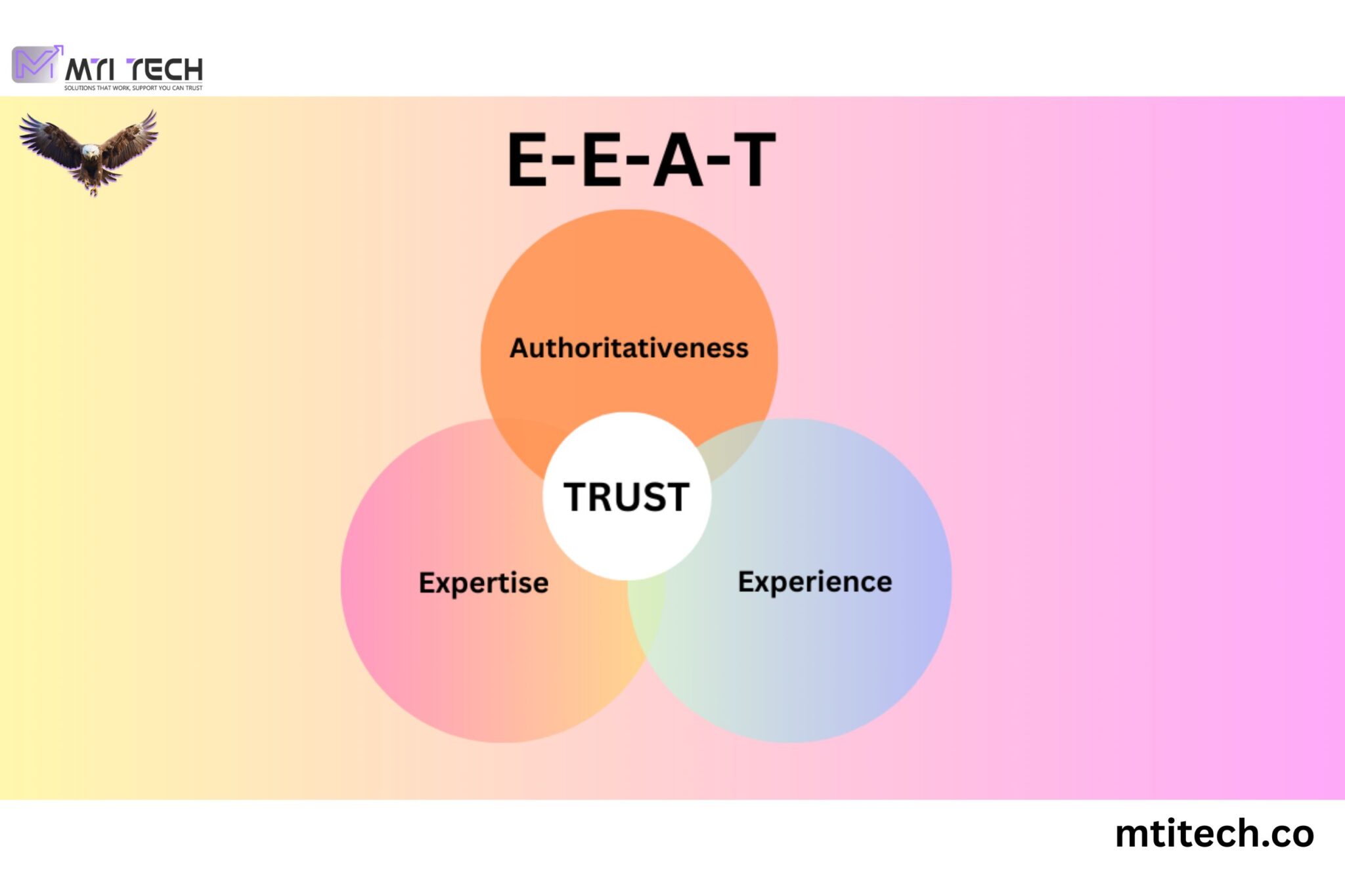
The Importance of E-E-A-T in SGE
Experience, Expertise, Authoritativeness, and Trustworthiness are central to AI-driven search.
To strengthen E-E-A-T:
- Add author bios with credentials
- Cite real-world experience
- Update content regularly
- Include original insights, not recycled ideas
- Maintain consistent brand signals across the web
Professional SEO Optimization Services ensure these trust factors are embedded correctly across your site.
Optimizing Existing Content for SGE
You don’t need to rewrite everything, but you do need to refine strategically.
Steps to optimize old content:
- Add structured data
- Improve headings for clarity
- Expand thin sections with real insights
- Add FAQs based on search intent
- Update outdated statistics or references
SGE favors fresh, well-maintained content, even if it’s not newly published.
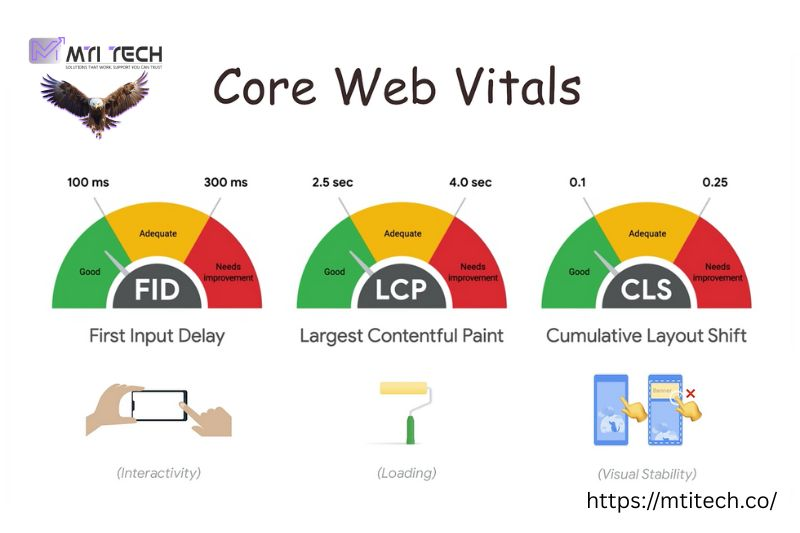
Page Experience Still Matters in AI Search
AI doesn’t ignore user experience.
Important signals include:
- Fast loading times
- Mobile responsiveness
- Clean navigation
- Secure HTTPS
- Minimal intrusive popups
Poor UX reduces trust, which directly impacts whether AI chooses your content for summaries.
Internal Linking for AI Context
Internal links help AI understand your site’s structure and authority flow.
Best practices:
- Link related topics naturally
- Use descriptive anchor text
- Connect pillar pages to supporting content
- Avoid orphan pages
A strong internal linking strategy supports both traditional rankings and AI comprehension.
Content Depth Over Content Volume
SGE rewards depth, not density.
Instead of publishing many shallow posts:- Focus on comprehensive guides
- Cover topics from multiple angles
- Address beginner to advanced questions
- Provide actionable takeaways
This approach aligns perfectly with long-term SEO Optimization Services strategies.
Measuring Success in an SGE World
Traditional metrics still matter, but new signals are emerging.
Track:
- Impressions vs clicks
- Featured snippet visibility
- Branded search growth
- Engagement metrics (time on page, scroll depth)
- Mentions across AI summaries (when visible)
SEO is no longer just about traffic, it’s about visibility and influence.
Common Mistakes to Avoid When Preparing for SGE
- Ignoring Schema Markup
- Writing for keywords instead of answers
- Publishing generic content
- Over-optimizing anchor text
- Neglecting technical SEO foundations
Avoiding these mistakes is often the difference between being summarized—or skipped.
How SEO Optimization Services Help You Stay Ahead
Preparing for Google’s Search Generative Experience (SGE) requires more than traditional SEO, it demands a holistic approach that combines technical expertise, content strategy, and user-focused design. Professional SEO Optimization Services help businesses navigate these changes and ensure their websites are ready for AI-driven search.
Key areas where SEO services make a difference include:- Technical SEO – Ensuring your site is fast, secure, and crawlable. AI systems prioritize content that is easy to access and free of errors, so a technically sound website lays the foundation for visibility.
- Content Strategy – Crafting content that answers real user questions, aligns with search intent, and is structured for easy AI comprehension. This includes planning topic clusters, FAQs, and long-form guides.
- Structured Data Implementation – Adding Schema Markup to communicate your content clearly to AI. This helps search engines extract accurate information and display rich results in SGE.
- UX Optimization – Improving navigation, mobile responsiveness, and overall user experience. AI favors content that users can engage with easily, increasing trust signals and reducing bounce rates.
- Ongoing Performance Analysis – Continuously monitoring search visibility, engagement metrics, and AI interactions to refine strategies. SEO services help identify gaps, optimize underperforming pages, and adapt to the evolving AI landscape.
By integrating these elements, SEO Optimization Services ensure your website is not only ready for AI search but positioned to dominate visibility, provide value to users, and maintain long-term growth in an AI-first search environment.
Final Thoughts: SEO Is No Longer Optional, It’s Intelligent
Google’s Search Generative Experience is not a future concept, it’s already reshaping how users interact with search. Businesses that adapt now will gain a lasting competitive advantage.
Optimizing for AI search isn’t about gaming algorithms. It’s about clarity, structure, trust, and usefulness. By implementing Schema Markup, structuring content intelligently, and investing in advanced SEO Optimization Services, you position your brand to thrive in the AI-first search era.
The question is no longer “Will AI change search?”
The real question is: Will your website be ready when it does?- Add author bios with credentials