How We Increased Client Conversions by 200% via Speed
No new ads. No redesign. No discount campaigns. Just performance engineering.
The Silent Conversion Killer No One Talks About
Here's a brutal truth: if your website is slow, nothing else matters. You can have beautiful UI, persuasive sales copy, strong social proof, perfect pricing — but if your site takes 4–5 seconds to load, users are already gone.
Speed isn't a technical metric. It's a revenue metric. Research consistently shows that even small delays in page load time dramatically reduce engagement and conversions. Users don't consciously decide to leave, they just feel friction. And friction kills momentum.
The Client Situation: “We’re Getting Traffic, But No Sales”
Our client (an eCommerce brand in a competitive niche) came to us frustrated. They had: decent traffic from paid ads, solid product-market fit, competitive pricing, strong branding. But conversions were stuck at 0.9%.
Their ad agency blamed targeting. Their copywriter blamed the offer. Their designer blamed the layout. We blamed the speed. That's where a serious Website Development Agency thinks differently. Instead of asking “How do we make it prettier?” we asked “How fast does it load?”
Step 1: The Performance Audit
We began with a complete technical audit. Here's what we found:
- Homepage load time: 5.4 seconds
- Mobile load time: 7.1 seconds
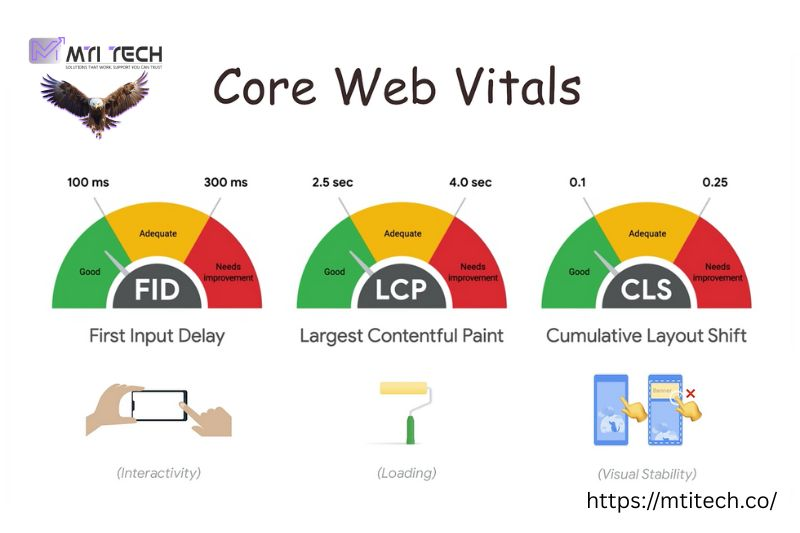
- Largest Contentful Paint (LCP): 4.8 seconds
- Uncompressed images everywhere, bloated plugins, render-blocking JavaScript, no proper caching, shared hosting struggling under traffic.
In simple terms? The website looked modern, but it performed like it was built in 2012. Most of their traffic was mobile → users were waiting… and leaving.
Why Speed Impacts Conversions More Than You Think
When a page loads slowly, three things happen:
- Cognitive Friction Increases: Users feel uncertainty — “Is this site broken?” That tiny hesitation reduces buying intent.
- Emotional Momentum Breaks: Marketing builds momentum: ad → curiosity → click → excitement → purchase. A 5-second delay breaks flow.
- Trust Drops Instantly: Slow websites subconsciously feel outdated. People don't enter credit card details on unreliable platforms.
Step 2: Strategic Optimization (Not Random Tweaks)
We didn't just “compress a few images.” We rebuilt performance from the ground up.
Infrastructure: Migrated from shared hosting to high-performance cloud hosting, enabled server-level caching, configured CDN distribution.
Code: Removed unnecessary plugins, deferred non-critical JavaScript, minified CSS & JS, eliminated render-blocking resources.
Media: Converted images to next-gen formats, implemented lazy loading, reduced hero image size by 78% without losing quality.
Mobile-first: Prioritized above-the-fold content, optimized touch responsiveness, reduced mobile script payload.
This is where a true Website Development Agency separates itself from template-based builders. We don't just design. We engineer.
Step 3: The Before vs After Data
Here's what changed within 30 days:
That's a 200% increase in conversions. No redesign. No new ads. No discount campaigns. Just speed.
The Revenue Impact
Monthly traffic: 25,000 visitors
Before: 0.9% conversion = 225 sales
After: 2.7% conversion = 675 sales
That's 450 additional sales per month without increasing ad spend.
Why Most Businesses Ignore Speed
- It's Invisible: You can see bad design, but you can't “see” performance unless you measure.
- DIY Platforms Create Illusion: Website builders promise speed but prioritize flexibility over performance.
- Agencies Focus on Aesthetics: Many sell designs; few sell performance. But performance drives ROI.
What Would Have Happened If We Focused on Design Instead?
Let's imagine we redesigned the homepage: new colors, new fonts, better product images. Would conversions improve? Maybe slightly. But redesigning a slow website is like repainting a car with a broken engine. Performance comes first. Always.
The Technical Details That Actually Matter
If you're evaluating your current website, focus on these core metrics: Time to First Byte (TTFB), Largest Contentful Paint (LCP), Total Blocking Time, Cumulative Layout Shift, Mobile Speed Score. If you don't know these numbers, that's the problem. A professional Website Development Agency tracks performance the same way marketers track conversions. Because they're directly connected.
Lessons From This Case Study
1. Speed Is Not Optional
It's not a “nice improvement.” It's fundamental.
2. Traffic Is Wasted Without Performance
Buying traffic before optimizing speed is like pouring water into a leaking bucket.
3. Mobile Optimization Is Critical
Over 70% of users were mobile. Mobile speed drove the biggest gains.
4. Small Delays Create Massive Revenue Losses
Even 1–2 seconds can dramatically impact conversions.
When Should You Prioritize Speed Optimization?
You should audit performance immediately if: your bounce rate is above 55%, mobile conversions are lower than desktop, load time exceeds 3 seconds, paid ads aren't converting well, customers complain about “site lag”. Speed issues hide inside these symptoms.
The Competitive Advantage Most Brands Ignore
Most businesses compete on price, branding, ad strategy, discounts. Few compete on performance. If your site loads in 1.5 seconds and your competitor's loads in 5? You win. Not because you're louder. But because you're smoother. In today's short attention economy, smooth wins.
The Bigger Picture: Engineering Growth
This case study isn't just about speed. It's about mindset. There are two types of businesses: those who treat websites as digital brochures, and those who treat websites as conversion machines. The second group wins long term. Because they optimize. They measure. They engineer. That's what separates a serious Website Development Agency from freelancers installing themes.
Final Results After 90 Days
- Conversion rate stabilized at 2.9%
- Revenue increased by 183%
- Cost per acquisition dropped by 41%
- Customer lifetime value improved due to better UX
The client didn't increase the budget. They increased performance. And performance increased everything else.
The Real Question
If speed alone can increase conversions by 200%… what is your current website costing you every month? Not in hosting fees. In lost customers. In abandoned carts. In missed opportunities.
Conclusion: Speed Is Strategy
Speed isn't technical. It's strategic. It influences: user psychology, trust perception, SEO rankings, ad performance, conversion rates. Ignoring speed is ignoring revenue. And in a competitive market, that's expensive. If your website is slow, you don't need more ads. You need better engineering.
Your traffic is already visiting your site. The question is, are they staying?
If your website loads slower than 3 seconds, you are losing customers daily. As a performance-driven Website Development Agency, we don't just build beautiful websites. We build fast, scalable, revenue-focused platforms engineered for growth.
Want to know how much speed is costing you? Let us run a free performance audit and show you exactly where your conversions are leaking. Because growth doesn't start with more traffic. It starts with faster experiences.
Slug: /case-study-increased-conversions-via-speed/